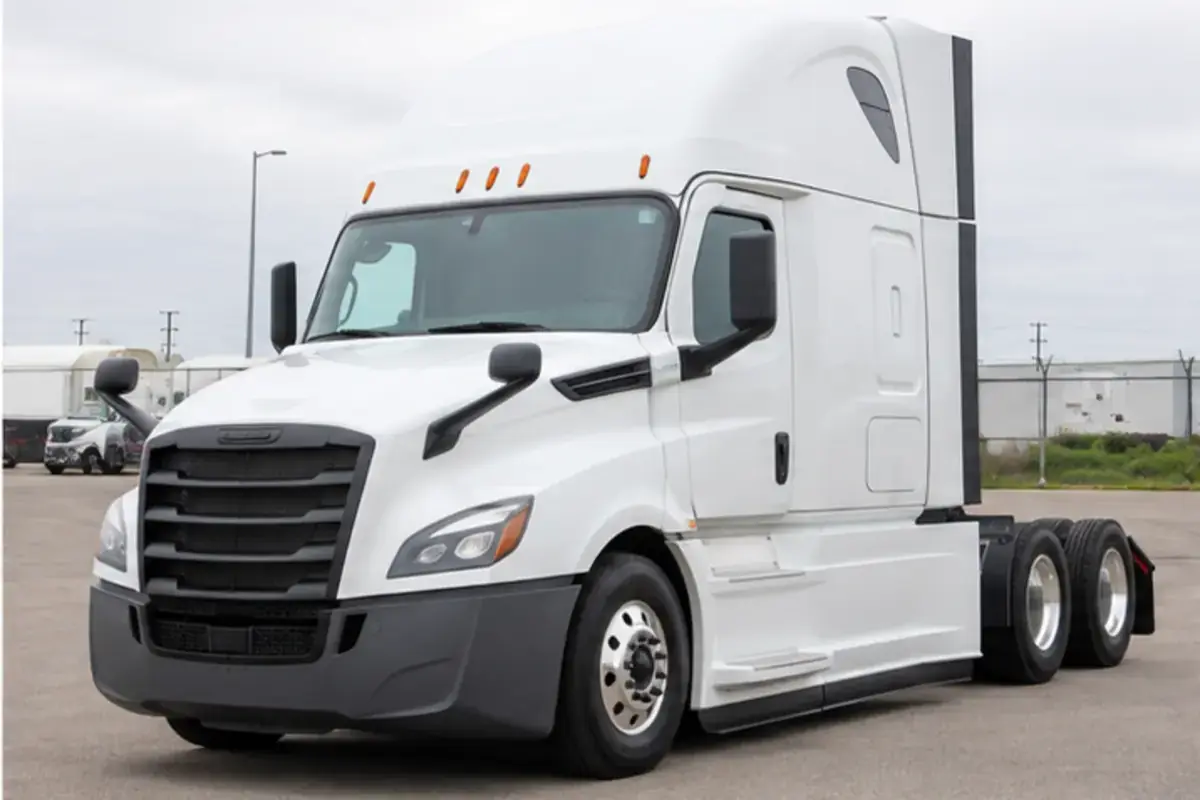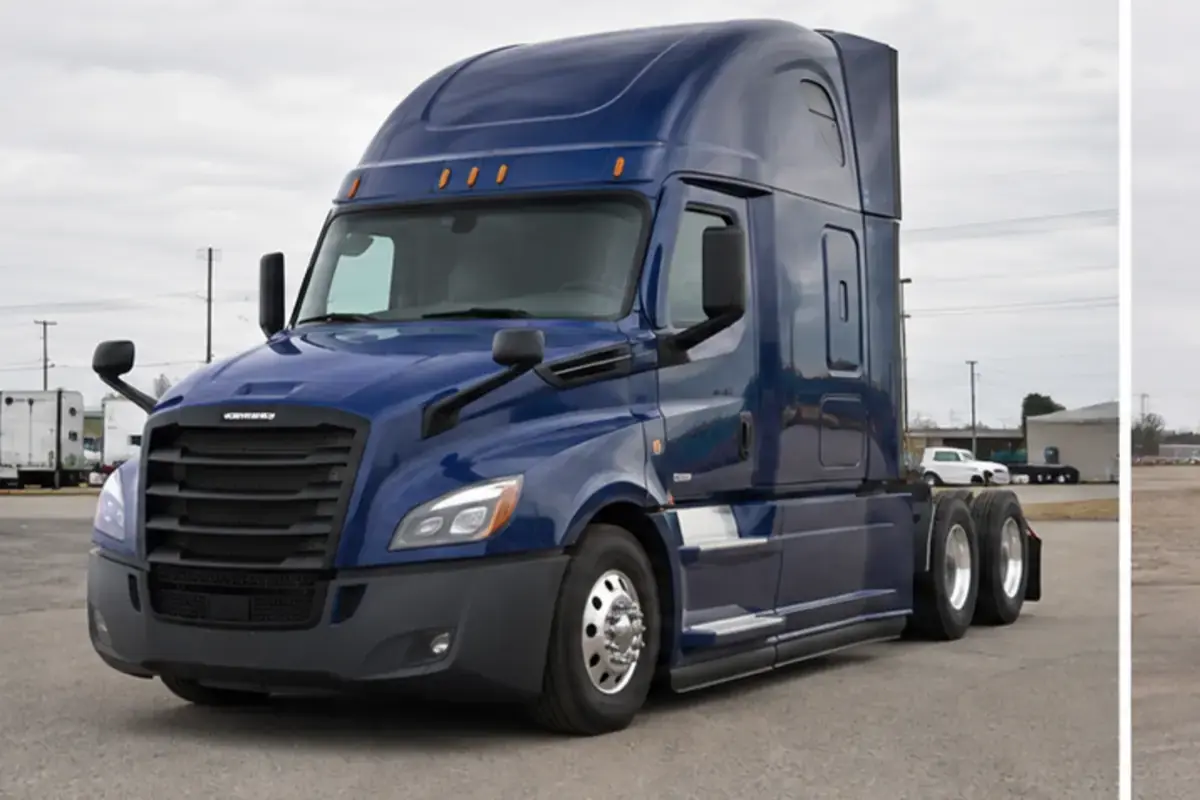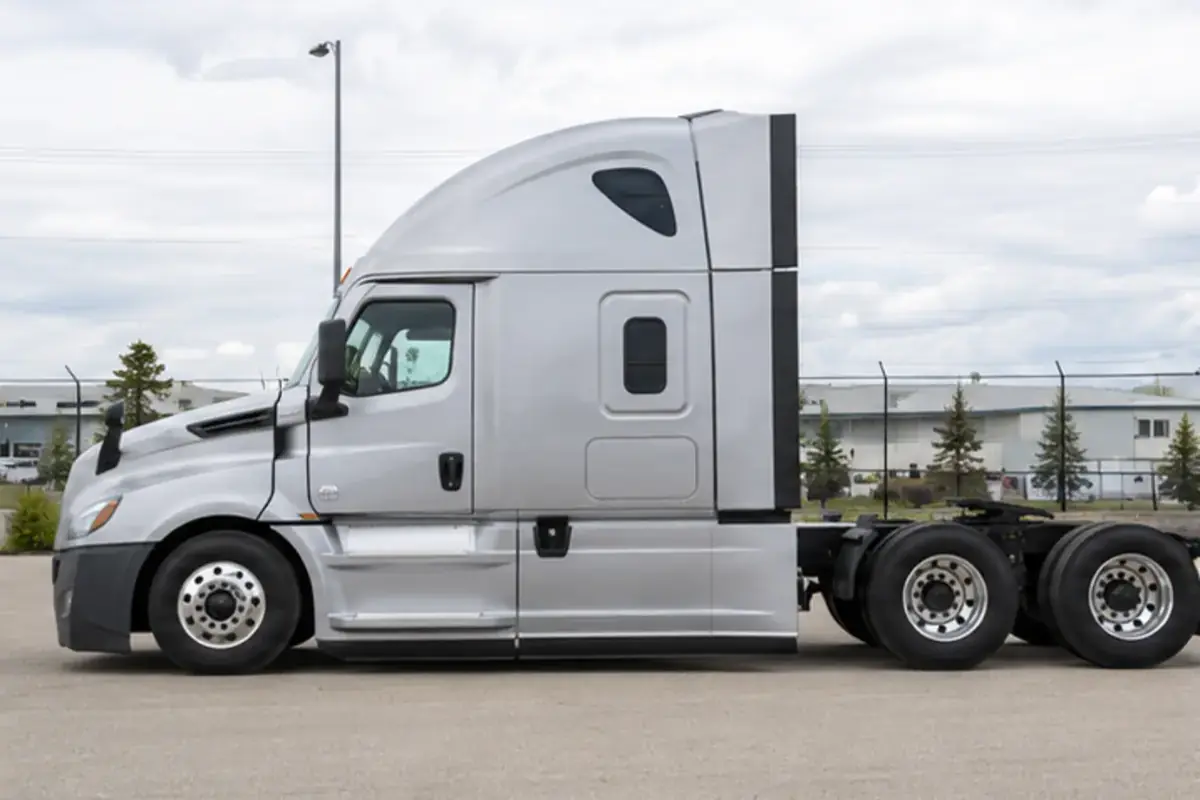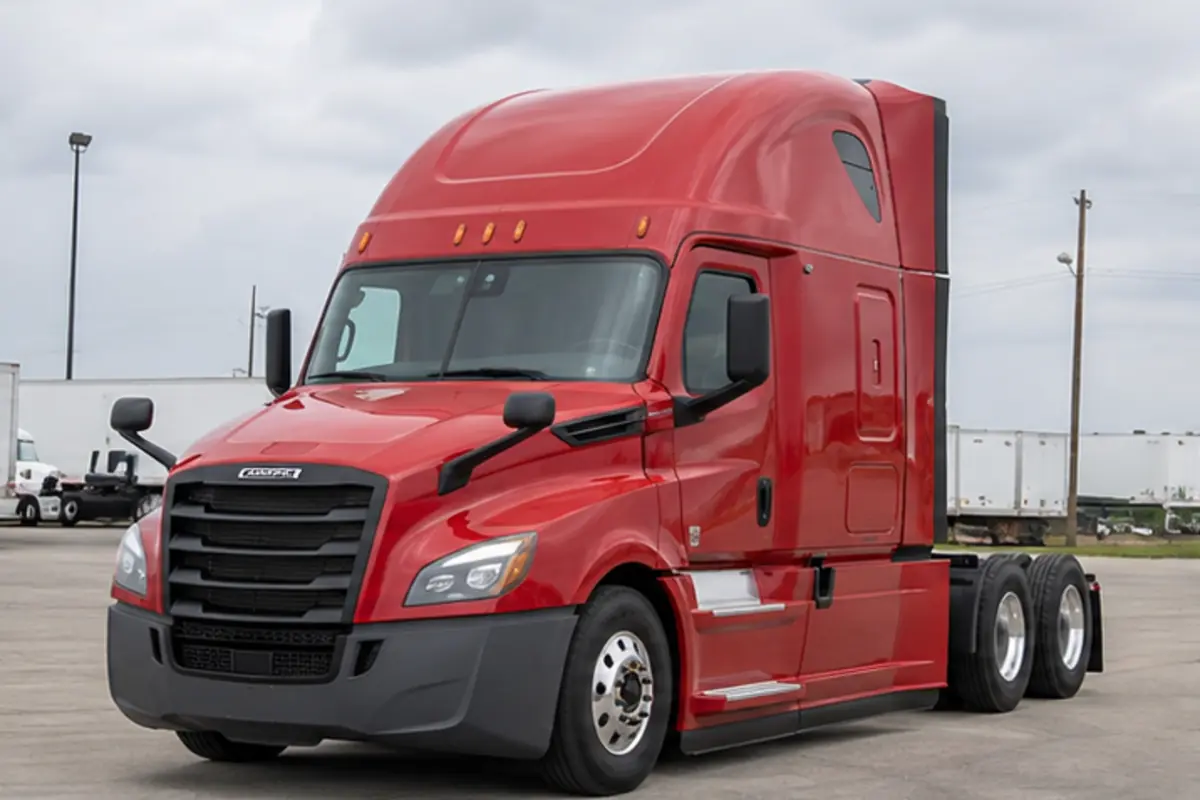

Freightliner Cascadia market position
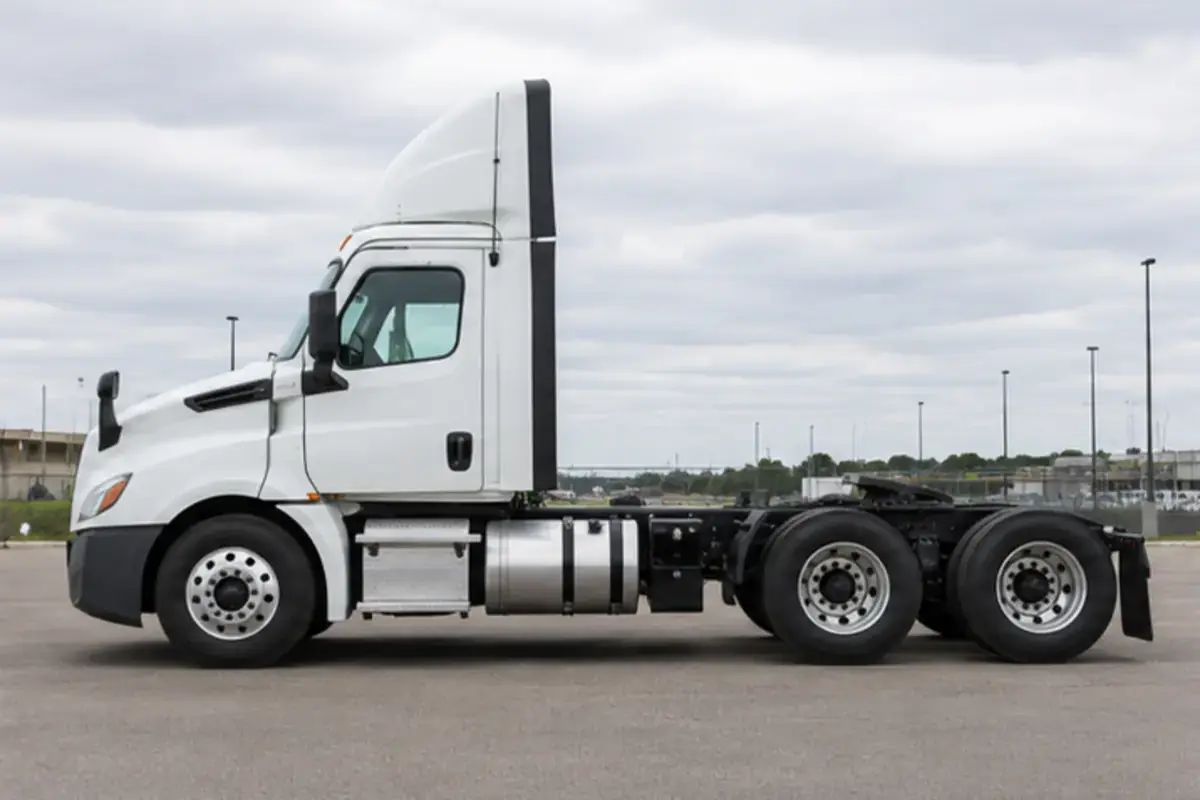
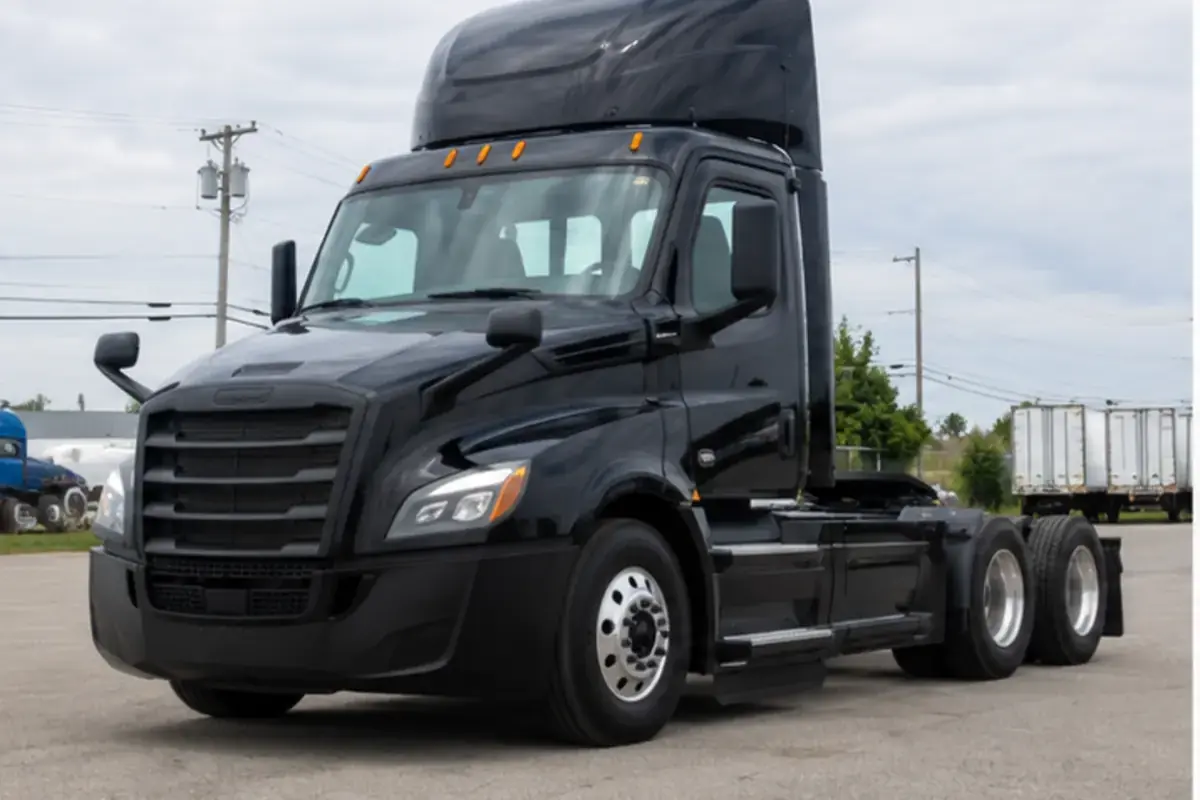
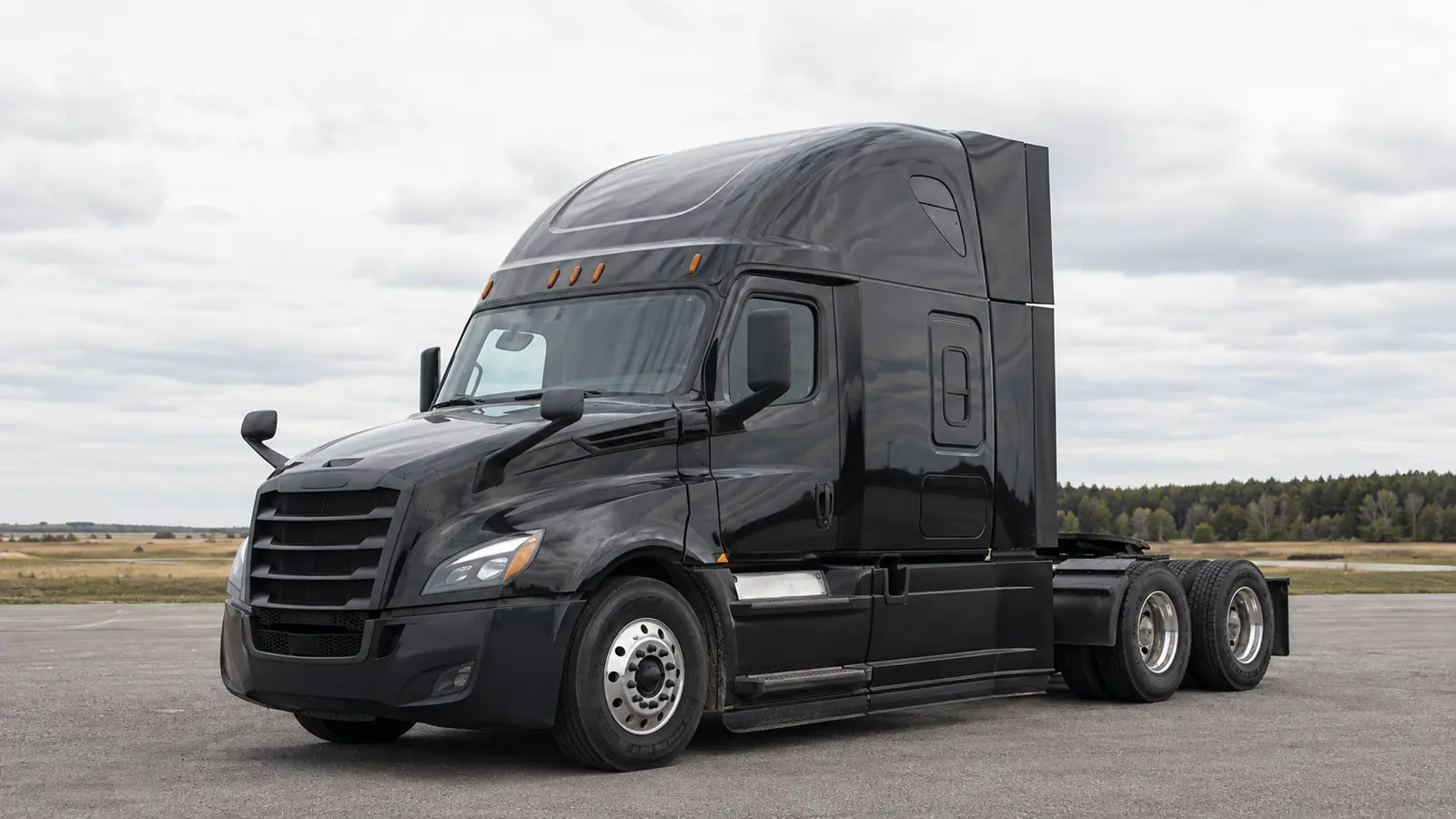
The Cascadia is widely configured for fleet and long-haul work, with day-cab and sleeper versions across multiple generations. Generation, trim and original fleet specification matter when comparing used trucks.
Powertrain considerations
Detroit powertrains are common, while exact engine and transmission availability varies by year and build. Confirm software campaigns, aftertreatment history and the installed axle ratio.
Common configurations
The Cascadia is commonly used for fleet, highway and long-haul applications. Exact equipment changes by model year, market and original order.
- Day-cab and multiple sleeper sizes
- Powertrain availability varies by year and build
- Fleet and owner-operator interior specifications
Buying a used Cascadia
Review maintenance records, engine hours, aftertreatment work, automated-transmission operation, aerodynamic panel condition, cab electronics, bunk systems and prior fleet duty.
Verify the actual build
Generation-level research narrows the questions, but the VIN, certification labels, component tags, factory build information, service evidence and current physical configuration establish what the individual truck actually is.
Models buyers also compare
Common alternatives include the Kenworth T680, Peterbilt 579 and Volvo VNL. Compare dealer support, parts access and the individual truck's history alongside driver preference.
Exact identity and model boundary
Freightliner's aerodynamic highway family.
Generation and transition context
Separate earlier Cascadia/Evolution, the 2017 New Cascadia redesign and the current manufacturer-named Fifth Generation.
Qualified powertrain possibilities
DD13/DD15/DD16 and DT12 relationships depend on generation, application and build.
Configuration and intended work
Fleet day-cab, regional and long-haul sleeper specifications need different operating analysis.
Evidence to request before travel or purchase
The badge and advertisement are not enough. Build an individual-truck evidence file.
- VIN/build record
- Detroit engine serial
- DT12 model tag
- safety-system generation
- aftertreatment and campaign history
Canadian climate and duty-cycle checks
Check idle hours, aftertreatment, aerodynamic panels, electronics, bunk HVAC and cold-weather equipment.
Verification limit
Reviewed September 4, 2026. This model authority is not a VIN decoder or fitment guarantee. The build sheet, certification labels, component tags, service records, diagnostics and physical inspection establish the individual truck.
Define the Cascadia generation
Separate earlier Cascadia, 2017 redesign-era and Fifth Generation research before comparing driver environment, safety systems or Detroit powertrain integration. Verify the model year and factory build for the individual truck.