Kenworth T680 vs Peterbilt 579
Two highway families: separate regional, fleet and owner-operator purchase priorities.
THE MODEL DECISION DESK
Find the right comparison. Understand the generation. Check the build.
START YOUR SHORTLIST
18 editorial comparisons across 7 manufacturers. The complete library remains below.
BEYOND THE BADGE
Semi trucks in the same highway-tractor or Class 8 category can be very different purchases. A model name helps you find a starting point, but it does not identify the engine, transmission, cab, sleeper, axle arrangement or service history of the truck in front of you. Start with the work: the trailer you pull, the places you load, the distance between stops and how often the driver stays away.
Then separate the model family from its generation and configuration. An earlier truck and a redesigned model can share a badge while using different cab structures, electronic systems or emissions equipment. Within one generation, wheelbase, front and rear axle ratings, rear gearing, fuel tanks and the fifth-wheel arrangement can still vary. Highway, regional and vocational builds may need different questions even when the exterior looks familiar.
Our comparison pages organize those questions around real model relationships. Use a two-truck comparison for a focused shortlist, a multi-model guide to explore alternatives, and a generation guide when an older design is being compared with a newer platform. The specification library supplies dated reference points; it does not turn an optional rating or a brochure dimension into a universal specification.
For Canadian operations, bring the route, seasonal conditions, service access and intended trailer into the decision. Keep fuel and ownership estimates on the same assumptions for each candidate. Review maintenance records, component identification and an independent inspection before treating a price difference as a saving. The useful question is which documented build fits your operation—not which entire brand is universally “best.”
COMPARE BY PURPOSE
Start with the route, time away and service network. These comparisons address aerodynamic highway families; day-cab and sleeper equipment must still be matched to the individual job.
Two highway families: separate regional, fleet and owner-operator purchase priorities.
Compare highway cab choices, ordered powertrains and route-based service support.
Generation-specific highway research, with repair pathways and sleeper checks.
Fleet and regional choices where engine era and integration matter.
Compare cab generations and powertrain choices against a defined highway route.
A three-truck shortlist for cab fit, maintenance evidence and highway operations.
A three-way view of generation identity and integrated powertrain support.
Compare the cab era, chassis packaging and ownership evidence alongside the long-hood design. Styling alone cannot establish payload, manoeuvrability or operating cost.
Legacy long-hood choices: identify the cab, chassis and modification history.
Two distinct long-hood platforms, with different cab and equipment contexts.
A legacy-to-newer cab-platform decision beyond exterior styling.
Define the trailer, terrain, axle layout and low-speed work first. These families can include tractor and other vocational builds; a model name does not establish combination suitability.
Application-matched vocational configurations and chassis packaging.
A long-running family against a newer vocational platform.
Three vocational platforms assessed by axle layout, frame and application.
Legacy tractor evidence versus a newly introduced vocational platform.
Home-daily work and overnight routes call for different cab decisions. Compare yard access, loading stops and the actual wheelbase; a day cab is a configuration, not a separate truck brand.
Mack’s regional and long-haul priorities, with legacy Anthem kept separate.
Comparing cab types across brands? Read day-cab research and sleeper-truck research, then choose a highway model comparison above.
A registration year or familiar badge can span different equipment eras. Use dated manufacturer references and the production record to identify what changed.
Identify the documented update before comparing cab technology and equipment.
A dated redesign-to-generation comparison, with intervening updates distinguished.
Previous VNL cab designations versus the architecture announced in 2024.
MAJOR SEMI-TRUCK FAMILIES
Each model below has an established reference sheet. Use the manufacturer guide for context, then move between comparisons, buyer research and dated specifications.

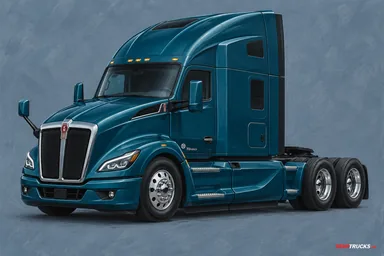
Aerodynamic highway family; distinguish original and Next Generation references.
View T680 specifications Kenworth T680 vs Peterbilt 579Kenworth T680 vs Freightliner CascadiaT680 buying guide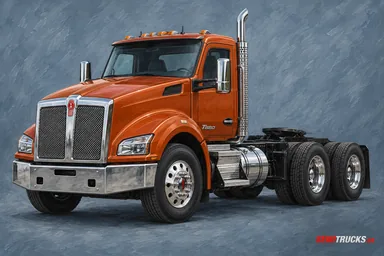
Vocational family; establish the axle arrangement and tractor or body installation.
View T880 specifications Kenworth T880 vs Peterbilt 567Kenworth T800 vs T880T880 buying guide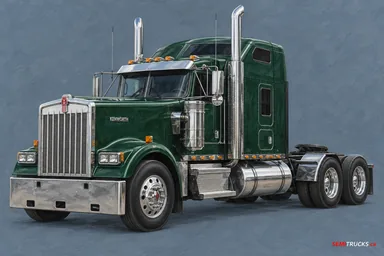
Long-hood family spanning multiple variants and component eras.
View W900 specifications Kenworth W900 vs Peterbilt 389Kenworth W900 vs W990W900 buying guide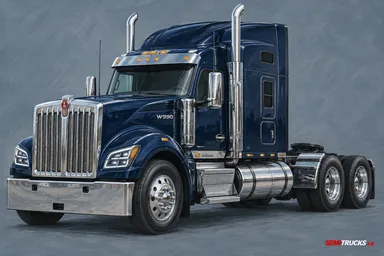
Long-hood platform with its own cab, sleeper and ordered-equipment context.
View W990 specifications Kenworth W900 vs W990W990 buying guide
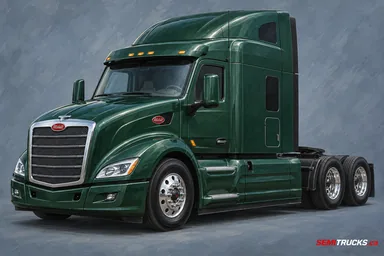
Highway family; identify generation, cab and installed powertrain.
View 579 specifications Kenworth T680 vs Peterbilt 579T680 vs 579 vs Cascadia579 buying guide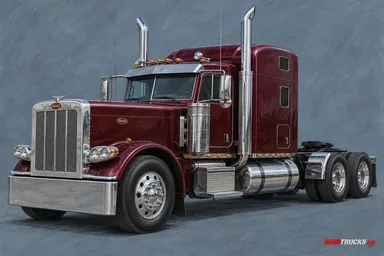
Legacy long-hood platform; document modifications and production year.
View 389 specifications Kenworth W900 vs Peterbilt 389Peterbilt 389 vs 589389 buying guide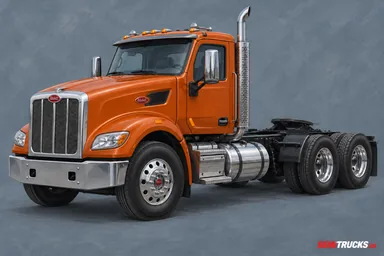
Vocational platform; compare application-specific chassis and axle choices.
View 567 specifications Kenworth T880 vs Peterbilt 567T880 vs 567 vs Western Star 49X567 buying guide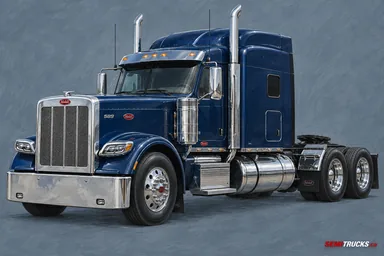
Traditional styling with a distinct cab platform from the 389.
View 589 specifications Peterbilt 389 vs 589589 buying guide
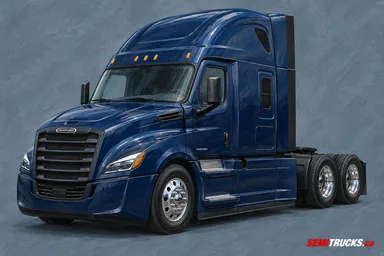
Highway family with separate generation and BBC references.
View Cascadia specifications Kenworth T680 vs Freightliner CascadiaFreightliner Cascadia vs Volvo VNLCascadia buying guide
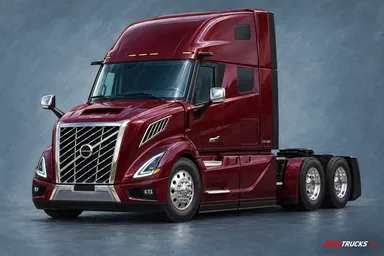
Highway family; keep previous and all-new cab generations distinct.
View VNL specifications Freightliner Cascadia vs Volvo VNLKenworth T680 vs Volvo VNLVNL buying guide
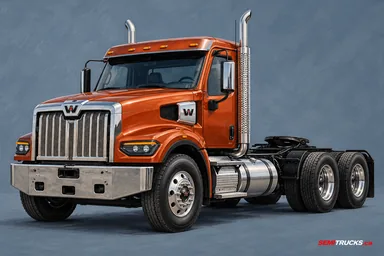
Vocational platform; evaluate the documented tractor or body configuration.
View 49X specifications T880 vs 567 vs Western Star 49X49X buying guide
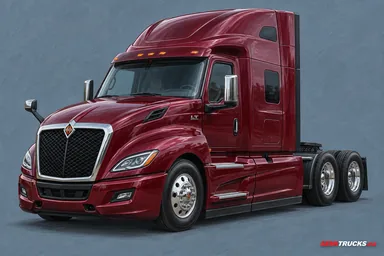
Highway tractor family; engine and transmission context depends on the build.
View LT specifications Freightliner Cascadia vs International LTVNL vs Cascadia vs International LTLT buying guide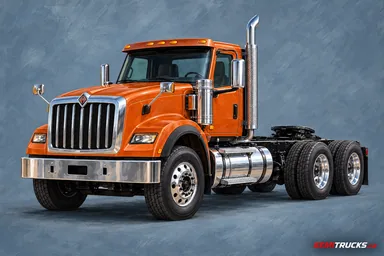
Vocational family; use its reference sheet to investigate axle and chassis configuration.
View HX specifications No direct model comparison yet; start with the reference sheet.HX buying guide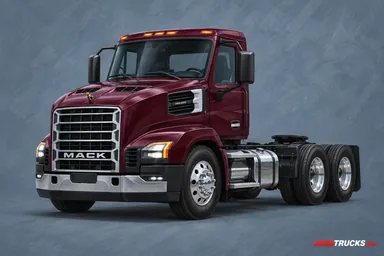
Distinguish legacy Anthem from the redesigned regional-haul platform.
View Anthem specifications Mack Anthem vs PioneerAnthem buying guide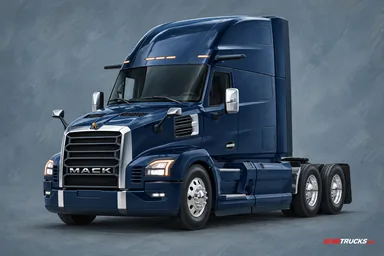
Long-haul platform; compare actual cab and route requirements with Anthem.
View Pioneer specifications Mack Anthem vs PioneerPioneer buying guideModel artwork is illustrative. The dated source and selected configuration on each specification page establish the reference being discussed.
A PRACTICAL BUYER METHOD
Work through the same evidence for each candidate. Keep unknowns visible until records, inspection or measurement resolve them.
Write down the lanes, loading stops, grades, road surfaces and home-time plan. A highway sleeper, regional day cab and vocational tractor can face very different work.
Record the exact model, production date and cab designation. Use the generation guide to separate an original design from later platform updates.
Try the actual seat, controls, visibility, storage and bunk systems. Check whether the sleeper and wheelbase fit both driver needs and loading locations.
Read the engine tag and original order. Establish the engine family, rating, emissions era and repair history before comparing advertised power.
Identify the gearbox, software and service record. Check its integration with the engine and the work, including starts, reversing and PTO use where relevant.
Record front and rear ratings, axle spacing, suspension and tyre ratings. An axle label or a model-wide maximum cannot establish the whole combination’s capability.
Measure the actual chassis and compare it with the build record. Evaluate trailer clearance, yard access and equipment packaging rather than choosing solely by length.
Read the axle ratio and loaded tyre size with the transmission ratios. The same rear ratio can produce different road-speed engine RPM with a different gearbox or tyre.
Record coupling model, mounting, height and slider position. Check trailer clearance and the applicable installation documentation before assuming interchangeability.
Match the engine emissions label to the truck and its service history. Review aftertreatment faults, completed repairs and the previous duty cycle.
Reconcile kilometres, engine hours, idle hours and dated invoices. Mark missing evidence and obtain an independent inspection of the candidate truck.
Compare measured weights and documented ratings for the intended combination. Cab size, fuel, accessories and installed equipment all belong in the build review.
Use the same route, annual distance, fuel-price and downtime assumptions for both trucks. Keep manufacturer claims separate from your own operating records.
Ask who supports the exact engine, gearbox and vehicle systems on the routes you operate. Include repair access and time out of service in the purchase decision.
FROM SHORTLIST TO BUILD REVIEW
Use dated references to frame the questions. Record the actual build, inspect the truck and price the operation before committing.
OTHER COMMERCIAL TRUCK COMPARISONS
Research Hino chassis, model transitions and body-planning requirements in a separate collection. These established comparisons remain available alongside the semi-tractor library.
Explore the Hino comparison collectionStart with the application, then compare model generation, cab, powertrain, axles, wheelbase and coupling. Review the VIN-linked build sheet, maintenance evidence and inspection findings for each individual truck. A badge-level shortlist is only the first step.
This library includes the Kenworth T680, Peterbilt 579, Freightliner Cascadia, Volvo VNL and International LT, alongside Mack highway platforms. Use the highway and regional sections to identify relevant comparisons, then check generation and build suitability. Inclusion is not a sales ranking.
A day cab has no integrated sleeping compartment; a sleeper adds accommodation for time away. That choice affects how the truck supports the trip. Wheelbase, tank layout, weight and turning requirements still depend on the individual configuration.
The same model family can contain different engines, transmissions, axles, cab sizes and equipment eras. Those differences change the questions you need to ask about service, trailer fit and operation. Compare documented builds before drawing a conclusion.
Use both. Model year helps identify age, but a generation identifies a design context. Production dates, cab designations, equipment tags and factory records help resolve trucks built around a transition.
Each model below links to its specification reference, with dated source material and configuration limits. A published reference is a starting point; obtain the actual truck’s build record and measurements for a purchase or transport decision.
Explore configurations and prepare your shortlist. Check each record’s availability information before planning a purchase.
Browse trucks