Kenworth T680 market position
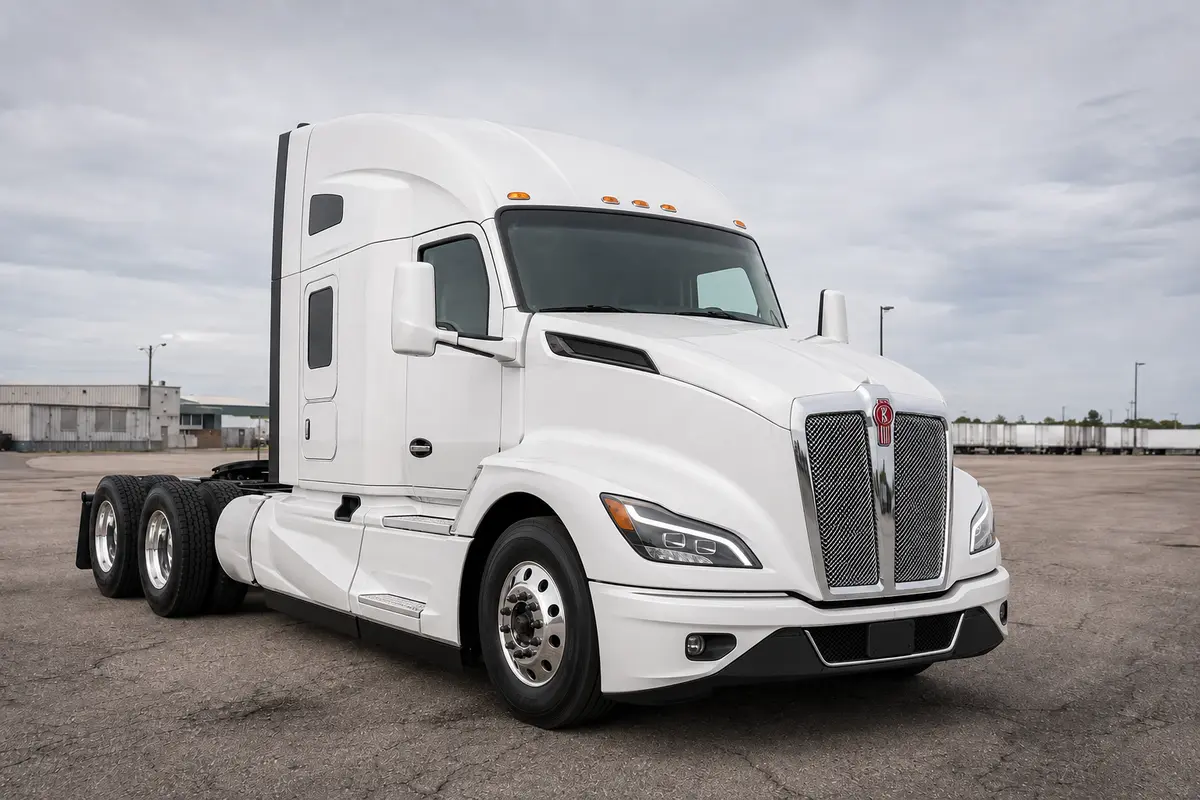
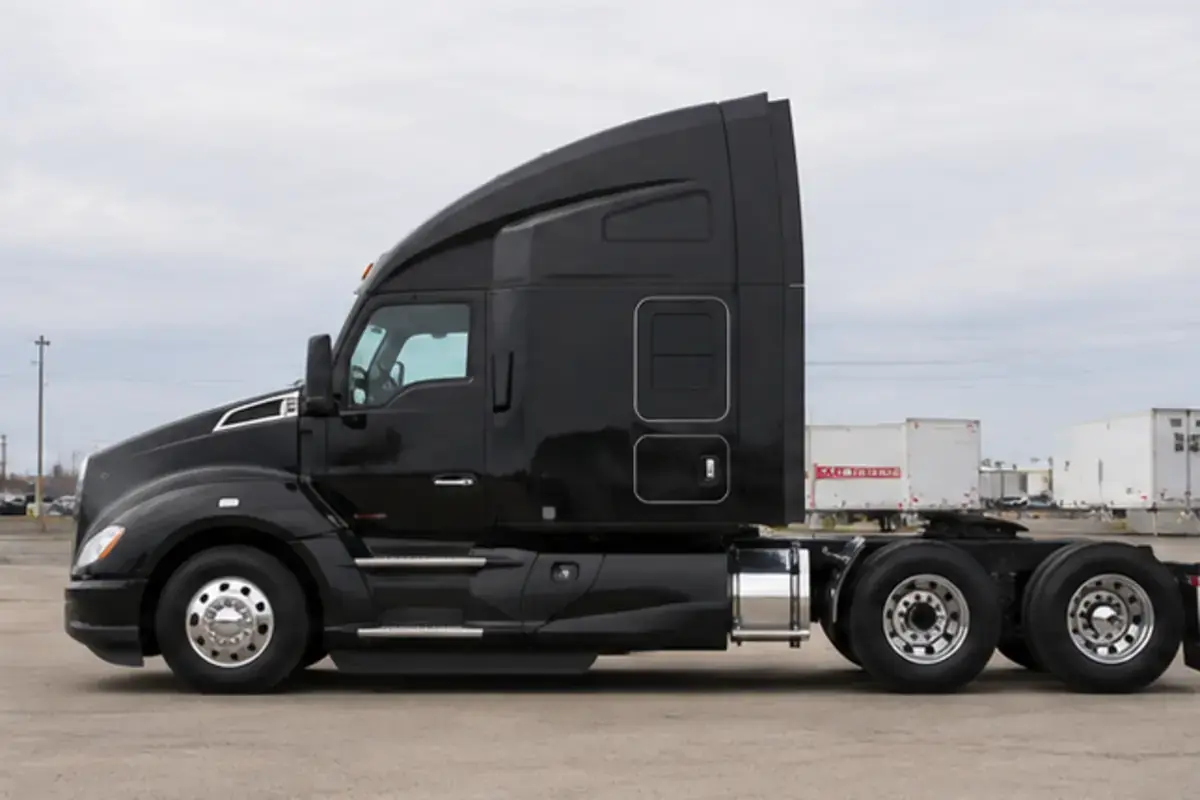
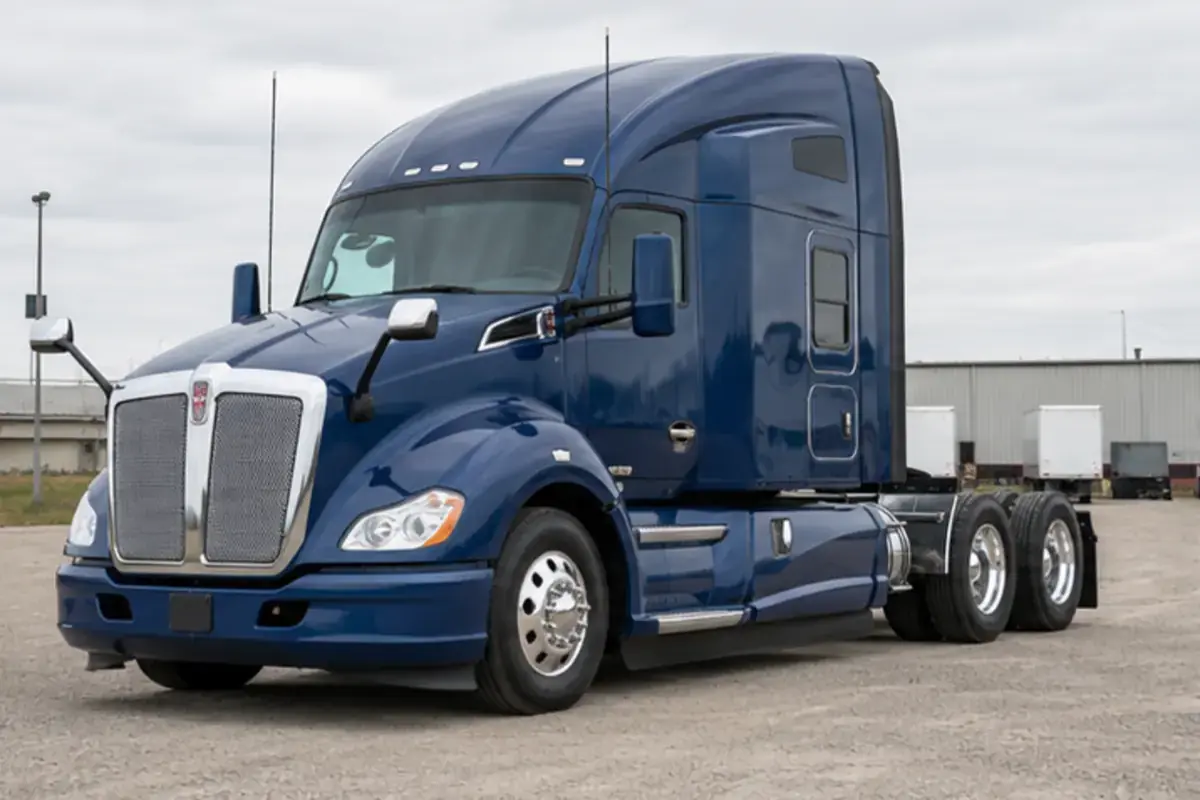
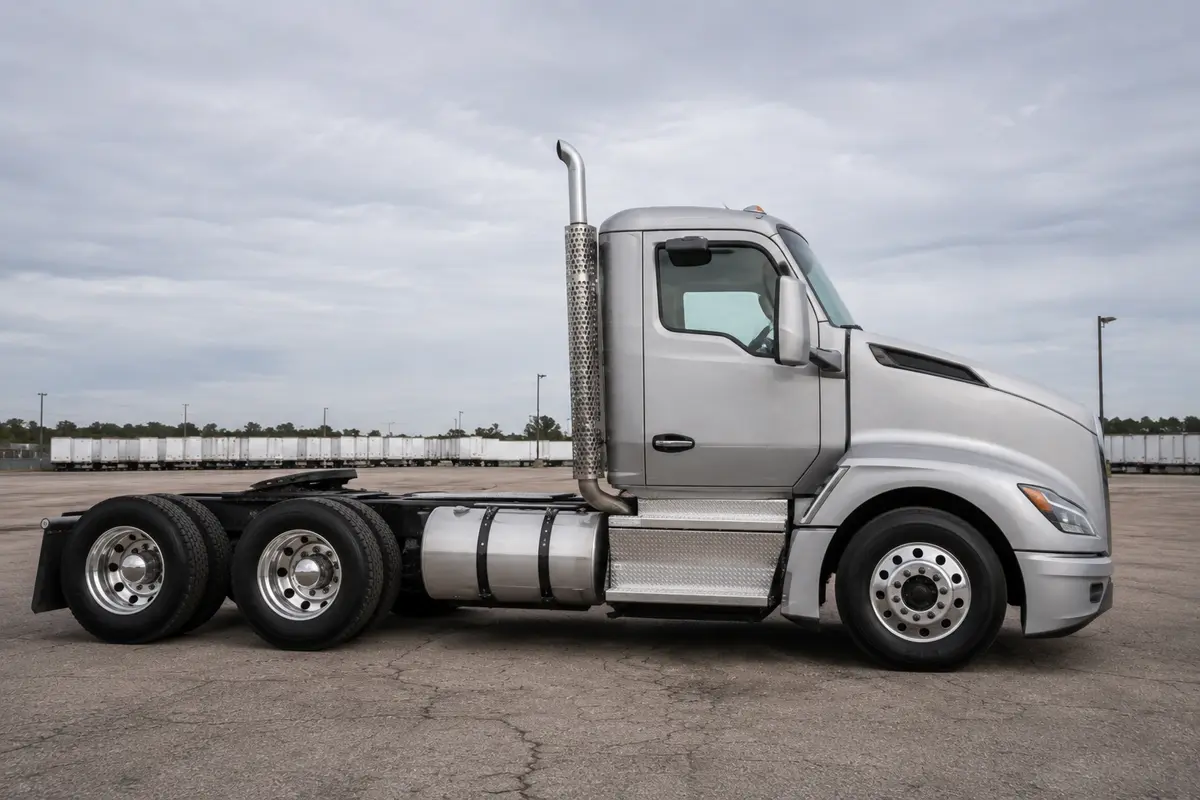
The T680 is Kenworth's aerodynamic on-highway platform. Used examples can range from fleet-oriented day cabs to high-roof sleepers, so the model name should be followed by a close reading of the build sheet.
Powertrain considerations
Depending on model year and original order, used T680 trucks may carry PACCAR or Cummins engine families with manual or automated transmissions. Confirm the installed components, ratings, software history and rear-axle ratio on the individual truck.
Common configurations
The T680 is commonly used for aerodynamic highway and long-haul work. Exact equipment changes by model year, market and original order.
- Day cab and several sleeper arrangements depending on year
- Single- and tandem-rear-axle specifications
- Highway-focused wheelbase, fuel and aerodynamic packages
Buying a used T680
Compare engine hours and idle time with kilometres. Review emissions-system records, collision-mitigation calibration where equipped, bunk HVAC, APU operation, fairing damage, fifth-wheel wear and evidence of fleet maintenance.
Verify the actual build
Generation-level research narrows the questions, but the VIN, certification labels, component tags, factory build information, service evidence and current physical configuration establish what the individual truck actually is.
Models buyers also compare
Buyers commonly compare the T680 with the Peterbilt 579, Freightliner Cascadia and Volvo VNL. The best candidate is usually the truck whose configuration, records, condition and price fit the intended route.
Exact identity and model boundary
Kenworth's aerodynamic on-highway platform; do not confuse a model badge with a sleeper, trim or powertrain specification.
Generation and transition context
Separate original T680 production from the manufacturer-named T680 Next Generation launched in 2021. Later equipment changes within either era still require the model year and build record.
Qualified powertrain possibilities
PACCAR MX-13, Cummins X15 and PACCAR/Eaton automated transmission relationships are year-, market- and order-dependent; no one combination applies to every T680.
Configuration and intended work
Long-haul, regional and fleet specifications differ in sleeper, fuel, wheelbase, axle ratio, safety systems and idle-management equipment.
Evidence to request before travel or purchase
The badge and advertisement are not enough. Build an individual-truck evidence file.
- VIN-linked OEM build record or line-set information
- engine data plate and serial/CPL details
- transmission tag and calibration history
- axle tags, rear ratio and certification labels
- ECM report, service invoices and physical inspection
Canadian climate and duty-cycle checks
For Canadian work, assess cold-start evidence, bunk heat/APU condition, corrosion around fairing and cab mounts, aftertreatment history, mountain gearing and service access on the intended routes.
Verification limit
Reviewed September 4, 2026. This model authority is not a VIN decoder or fitment guarantee. The build sheet, certification labels, component tags, service records, diagnostics and physical inspection establish the individual truck.
Marketplace configuration coverage
Compare day-cab, mid-roof and high-roof sleeper configurations with PACCAR and Cummins powertrains. Confirm the exact equipment and availability of an individual truck against its build record.